
Seasonal Table Settings for Autumn Dinners at Home
The Table as the Heart of an Autumn Evening
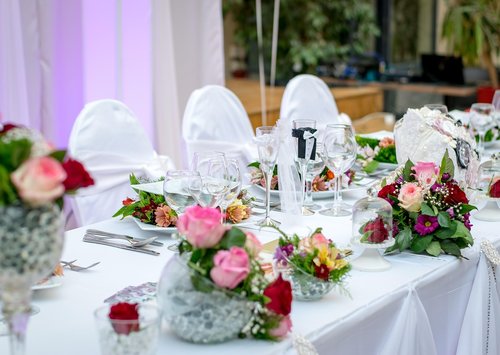
Autumn dinners have a particular quality. The garden is winding down, the light goes early, and the kitchen smells of roasting and spice. The table is where all of that gathers. You do not need to spend much to make it feel special — a walk in the park, a rummage through the cupboard and a little care with candlelight will do more than any expensive centrepiece. The trick is to build the setting in layers: a soft base, something gathered from outdoors, low light, and a few textures that invite people to sit down and stay a while.
Start with a Soft Base
Begin with fabric, because it sets the temperature of the whole table. A full tablecloth can feel formal for a casual supper, so consider a runner instead — it is quicker to lay, easier to wash, and it shows off a wooden table rather than hiding it. Choose washed linen or a sturdy cotton in stone, oatmeal, charcoal, deep olive or muted ochre. If you have ever been tempted by bright orange, resist it; let the season supply the warmth and keep the linens quiet.
Napkins do not need to match the runner exactly. Two similar tones look considered rather than accidental. Fold them simply — a flat rectangle laid across the plate, or a loose roll beside the forks — and press them only if you enjoy ironing. Slightly rumpled linen reads as relaxed and generous, which is exactly the mood you want on a dark October evening.
Bring the Outside In
This is where autumn does the work for you. Gather what is already underfoot: oak, beech and maple leaves, dried hydrangea heads, teasels, honesty seed pods, dried grasses and a few fallen twigs. Press leaves between sheets of newspaper under a heavy book for two or three days and they will hold their shape and colour far longer.
- Keep the height low. Aim for arrangements under about 20cm so guests can see each other across the table.
- Work in odd numbers. Three small gourds, five stems of dried grass, a single windfall apple.
- Add weight and colour. Small squashes, quinces, crab apples or a handful of rosehips in a shallow bowl.
- Scatter a little. A few loose leaves laid along the runner look effortless; a neat row looks staged.
- Check before you bring it in. Give everything a shake outdoors and avoid anything damp or crumbling onto plates.
A single shallow dish of gathered things in the centre, with a few leaves beside it, is plenty. Restraint keeps it feeling like a home rather than a shop display.
Candlelight, Used Properly
Candles carry most of the atmosphere, so it is worth getting them right. Use unscented candles at the table — a scented one will fight with roasting vegetables and red wine, however lovely it smells on its own. Beeswax is a good choice: it burns slowly, gives a soft honeyed scent and holds its shape well.
Vary the heights. Tall tapers in slim holders draw the eye upward, a couple of pillar candles add body, and tea lights in small glass vessels fill the gaps. Group them in threes rather than spacing them evenly. Keep flames at least 30cm apart and well clear of dried foliage, never leave lit candles unattended, and blow them out before you leave the room. If your dining room is draughty, a glass hurricane or a clean jam jar will keep the flame steady. Stand a candle in front of a pale plate or a small mirror and the light doubles without any extra cost. Finally, turn off the overhead light and use a lamp in the corner instead — the difference is immediate.
Layer Texture with Tableware and Glass
You do not need a new dinner service. Mis-matched stoneware in earthy glazes looks intentional, especially with a plain charger underneath. Stick to two or three materials in total — dark ceramic, aged brass, simple glass — and the table will feel composed.
Warm metals are your friend in autumn: brass candlesticks, a tarnished silver spoon for serving, copper salt cellars. Coloured glass tumblers in amber or smoke add depth without clutter. A sprig of rosemary or a cinnamon stick tied to a napkin with garden twine is a two-minute touch that guests always notice, and hand-written place cards on brown card cost almost nothing.
Finishing Touches and Budget Notes
Spend where it lasts. Charity shops are excellent for brass candlesticks, glassware and old linen, and a supermarket bunch of eucalyptus or dried stems will often stretch to two or three arrangements once separated. Dried orange slices are cheap to make at home and keep for months in an airtight tin; so do dried leaves, stored flat in a shoebox. As the season turns, swap leaves for pinecones and dried stems for bay and rosemary.
Set the table in advance and leave it — fifteen minutes of arranging earlier in the day feels far calmer than a rush at the last minute. Clear the surrounding surfaces, keep the music low, and remember that the food is the star. A quiet cloth, a few gathered stems and a handful of candles are enough to say that this meal matters.
tag: Seasonal Living

Charlotte Pemberton Author
Clever storage, slim appliances and vertical shelving can help a narrow kitchen feel practical, airy and easy to cook in.
YOU MAY ALSO LIKE
Making the Most of a Narrow Kitchen Layout
Sep 7
10Sort belongings into keep, donate and repair piles, then give every remaining item a clear home to maintain a peaceful space.
read more
A Calm Approach to Decluttering Your Living Room
Sep 5
10Insulate walls, add generous glazing and choose durable flooring to make a garden room comfortable in every season.
read moreInteriors
-

ERRIC CATONA
Try unhurried breakfasts, a walk without a podcast and an evening with candles to restore a sense of calm.
May 19, 2016 at 5.12 pm
Reply
ERRIC CATONA
Mix table lamps, wall sconces and dimmable bulbs to build soft layers of light that make evenings feel inviting.
May 19, 2016 at 5.12 pm
Reply -
ERRIC CATONA
Fill shortcrust pastry with root vegetables, lentils and herbs for a satisfying centrepiece that suits chilly evenings. Serve with mash.
May 19, 2016 at 5.12 pm
Reply
Home Cooking
Your email address will not be published.