
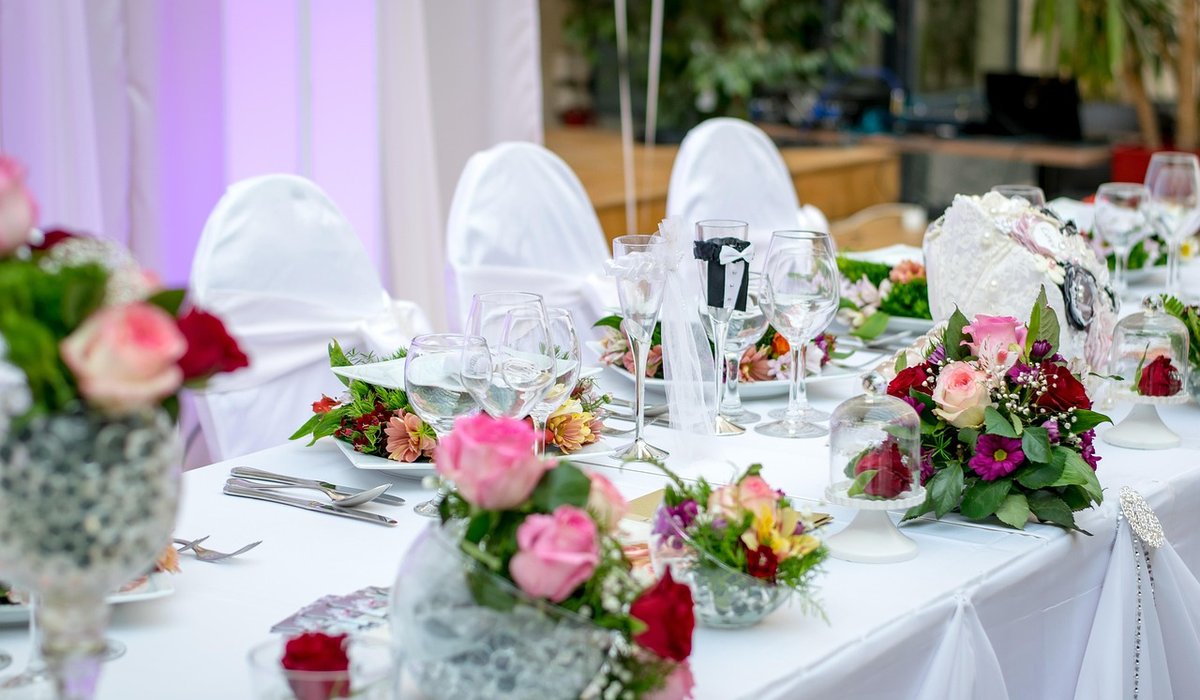
Mixing Old and New Furniture with Confidence
A room that mixes eras well never looks like a showroom, and it never looks like a jumble sale either. It looks collected — as though the pieces arrived one at a time and happened to get along. If you have inherited a mahogany chest from a grandparent, or rescued a mid-century sideboard from a house clearance, you already own the hardest part. What follows is the editing.
Start with What You Cannot Change
Inherited furniture carries weight, both literally and emotionally, so build the room around it rather than apologising for it. Pick the one piece you genuinely love — a Victorian chest of drawers, a 1930s walnut cocktail cabinet, a solid oak farmhouse table — and treat it as the anchor. Everything else in the room should be in conversation with it.
Be honest about the pieces you do not love. Sentiment is not a reason to keep a wobbly glass display cabinet in a small sitting room. If it matters to you but does not work, photograph it, pass it to a relative, or use it in a bedroom, hallway or spare room where the stakes are lower. Rooms become muddled when every object has to be accommodated rather than chosen.
Repeat Your Wood Tones
The single most effective trick in mixing old and new is repetition. Choose two woods — usually a warm mid-brown and a paler tone — and use them at least twice each across the room. A dark walnut sideboard, a walnut picture frame, an oak dining table and an oak mirror make a space feel deliberate, even when the pieces span eighty years.
Three or more competing woods start to look accidental. If you already have four, pick the two with the strongest presence and let the others recede by staining, waxing or simply placing them in less conspicuous spots.
- Warm and pale: oak, ash and beech sit comfortably with contemporary pale timber and off-white walls.
- Deep and rich: walnut, teak and mahogany need lighter textiles around them, or the room feels heavy.
- Avoid the flat match: a new piece in exactly the same finish as an antique often looks like a poor copy. A near-miss tone reads far better.
Let Texture Carry the Contrast
Where wood tones repeat, texture can do the arguing. This is where old meets new most convincingly. A linen sofa against a carved antique cabinet, a chunky wool throw over a chrome-and-glass side table, a rough ceramic lamp on a polished veneer console — the contrast is what makes both pieces look better.
Aim for at least three textures in any seating area: something soft and matte (linen, wool, bouclé), something hard and smooth (stone, glass, lacquer) and something with a bit of roughness (rattan, unglazed pottery, aged brass, sisal). Older pieces usually bring the roughness and the patina; newer ones bring the smooth finishes. That natural division of labour is why the pairing works.
Pay attention to shine. High-gloss lacquer next to a heavily waxed antique can look confrontational, so keep glossy modern pieces to one per room and place them where daylight will catch them.
Keep the Colour Palette Restrained
Restraint is what stops a mixed room reading as chaotic. Choose a base — usually a warm off-white, a soft stone or a muted sage — and put it on the walls, the largest piece of upholstery and the rug. Then allow two or three accents, drawn from the darkest wood in the room and one colour you actually enjoy.
Pattern is the easiest place to overreach. If your inherited piece has inlay, marquetry or a strong grain, let it be the most decorative thing in the room. If a new sofa has a bold print, keep the antique quiet. One loud voice per view.
Watch Scale and Spacing
Old furniture tends to be lower and narrower than modern equivalents. Victorian chairs sit close to the floor; contemporary sofas are deeper and taller. Before you buy anything new, measure the height of your inherited piece and note it. A modern sofa that towers over a low antique chest will make the chest look like a child's toy.
Leave more space than you think you need between pieces. Older furniture often has more visual detail, so it needs breathing room to be read properly. A gap of 60 to 90 centimetres between a sideboard and the nearest chair is usually about right, and it makes a room easier to move through, too.
Edit Until It Feels Collected
Finish by removing things. Take out every ornament, cushion and small object that does not earn its place, then add back one item at a time over a week. You will quickly learn which pieces were doing quiet work and which were merely filling space.
Watch for the temptation to buy a full matching set to "tie things together". It rarely helps. What ties a room together is repetition of tone, texture and colour — not identical furniture.
- Photograph the room from the doorway and look at the image on your phone. Clutter and mismatched tones show up far more clearly in a photograph.
- Live with the arrangement for a fortnight before buying anything else. Most rooms need less, not more.
- Rotate rather than replace. Moving a lamp, a rug or a chair to another room can solve a problem for nothing.
A mixed room should feel like a slow accumulation of things you chose and things you kept. When it does, guests will assume you have an eye for it. In truth, you have simply been patient, repeated yourself in the right places, and known when to stop.
tag: Interiors

Charlotte Pemberton Author
Prepare root vegetable, lentil and chicken soups in advance, then freeze portions for quick and nourishing meals. Label clearly.
YOU MAY ALSO LIKE
Batch Cooking Winter Soups for Busy Weeknights
Jul 18
10Combine white vinegar, bicarbonate of soda and essential oils to create effective sprays, scrubs and fresheners. Store in labelled glass bottles.
read more
Making Natural Cleaning Products for the Home
Jul 16
10Bring out wool blankets, fairy lights and favourite decorations to make rooms feel festive without overcrowding them. Keep surfaces clear.
read moreInteriors
-

ERRIC CATONA
Use mirrors, pale walls and sheer curtains to brighten a north-facing room that receives little direct sunlight. Choose warm white bulbs.
May 19, 2016 at 5.12 pm
Reply
ERRIC CATONA
Season, scrub and dry cast iron pans properly so they last for decades and improve with every meal.
May 19, 2016 at 5.12 pm
Reply -
ERRIC CATONA
Use sturdy pots, lightweight compost and wind-tolerant plants to create a productive garden on a small balcony. Water regularly.
May 19, 2016 at 5.12 pm
Reply
Home Cooking
Your email address will not be published.